
Ramsar Sites
Mongolia’s Ramsar Sites are wetlands of international importance recognized under the Convention on Wetlands. Mongolia joined the Convention in 1998, and the country currently has 11 Ramsar Sites covering about 1.44 million hectares. These sites include some of the nation’s most important lakes, marshes, river valleys, and steppe wetlands, such as Mongol Daguur, Ogii Lake, Khar Us Lake National Park, Lake Buir, Lake Ganga, Uvs Lake, and the lakes of the Khurkh–Khuiten river valley.
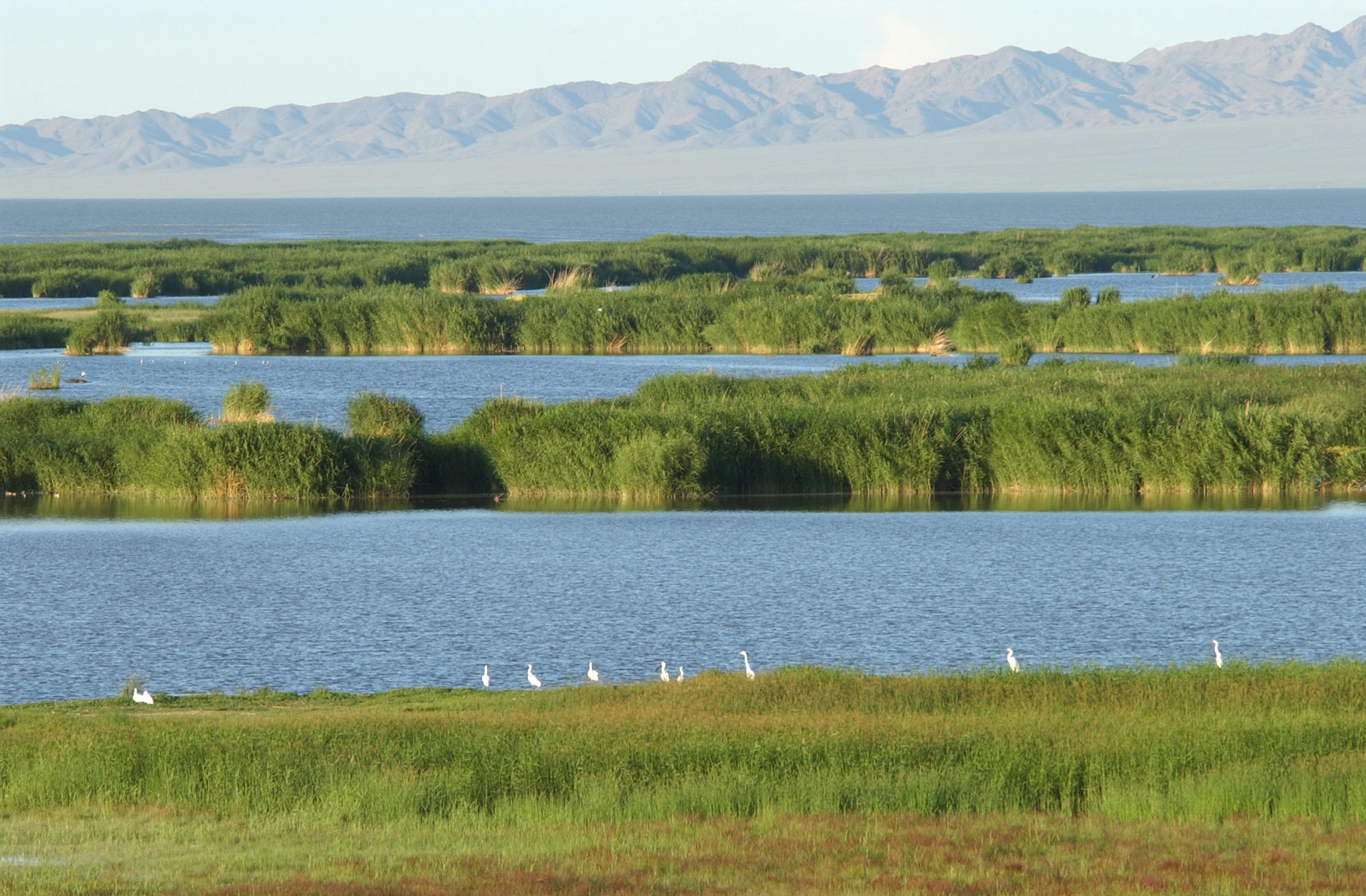
For herding communities, wetlands are especially important because they provide more reliable water for livestock, maintain greener and more productive pasture around lakes, springs, and floodplains, and help stabilize local landscape conditions during dry periods. This means that conserving wetlands directly supports the resilience of pastoral systems, especially in the face of drought, seasonal water stress, and climate variability. Mongolia’s own Ramsar reporting also links wetland restoration to livelihoods, disaster risk reduction, and climate adaptation.
At the same time, Ramsar Sites in Mongolia are fragile. The main threats include overgrazing and trampling of wetland margins, mining and gravel extraction, roads and other infrastructure, water abstraction and hydrological alteration, pollution, tourism and disturbance in sensitive breeding areas, and the growing pressure of climate change, drought, and falling water levels. Site-specific Ramsar information for Lake Buir notes land degradation from extensive grazing and water-level impacts linked to global warming, while broader Mongolian freshwater assessments have long identified overgrazing, dams/irrigation, mining, and weak water governance as major pressures.